
Wallpaper Removal Pakenham
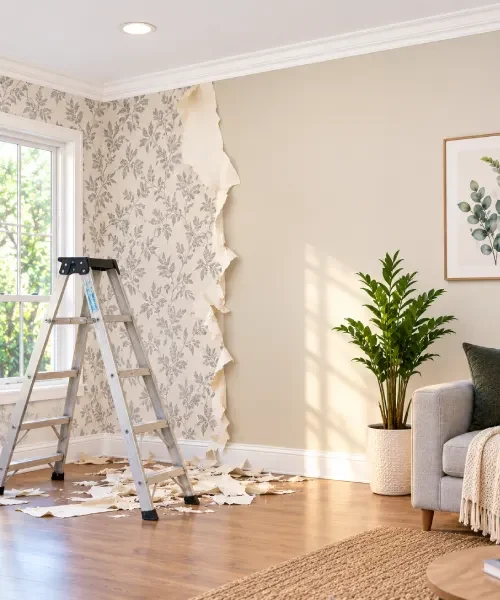
Old wallpaper can be difficult to remove when paper, backing material and adhesive have bonded firmly to an interior wall. Wallpaper removal involves stripping these coverings and assessing what remains on the surface.
Pakenham Premier Painters offers wallpaper removal and wall preparation for homeowners, landlords and property managers considering a change to existing interiors. The condition of the covering and the wall beneath it can affect the work required.
Whether you are updating a single room or preparing several walls for a new finish, understanding the removal scope first helps you plan the next stage with fewer surprises.

Why Choose Us for Wallpaper Removal
Wallpaper stripping is not simply a matter of pulling paper from the wall. Different coverings and adhesives behave differently, and the surface underneath may be more delicate than expected.
With Pakenham Premier Painters, you can discuss the existing wallpaper, visible damage and intended finish before deciding how to proceed. This helps distinguish the removal itself from any wall repairs that may also be necessary.
We recognise that older coverings, stubborn adhesive and uncertain plaster conditions deserve realistic expectations. A considered scope gives property owners a clearer basis for comparing requirements, discussing costs and planning the next stage.
Wallpaper Removal Questions Answered
These answers address common wallpaper removal concerns, from plaster damage and lingering adhesive to project suitability and preparation.
Will Stripping Wallpaper Damage the Plaster?
Wallpaper removal can sometimes damage plaster or plasterboard, particularly when the adhesive is strongly bonded or the underlying surface is already weak. Some coverings release more easily than others. The condition of the wall should be considered before removal, and additional surface repairs may be necessary afterwards.
Can Old Wallpaper Simply Be Painted?
Painting over wallpaper may be possible in certain circumstances, but loose edges, visible seams, texture and unstable adhesive can affect the appearance of the finish. Removing old wallpaper allows the underlying wall to be assessed before decorating. The better option depends on the covering's condition and the result you want.
Will Wallpaper Glue Need Removing Too?
Residual wallpaper adhesive can interfere with subsequent surface preparation and painting. After wallpaper stripping, the wall may require further cleaning and assessment to determine whether adhesive remains. The amount of work depends on the original paste, wall material and condition of the surface beneath the covering.
How Are Wallpaper Removal Costs Determined?
Wallpaper removal costs depend on factors such as the area being stripped, number of wallpaper layers, adhesive strength, wall condition and accessibility. Additional preparation or repairs can change the overall requirements. Providing photographs and basic details about your walls helps establish what needs consideration before a quotation is discussed.
What if the Wall Needs Repairs?
Removing wallpaper can expose cracks, damaged plaster, loose surface material or uneven patches previously hidden beneath the covering. Depending on their condition, these areas may require separate repairs before decorating. Substantial plaster repairs should be identified and discussed rather than assumed to be included in standard wallpaper removal.
Can You Handle Very Old Wall Coverings?
Older wallpaper can present additional challenges, particularly when multiple coverings, unknown adhesives or deteriorating wall materials are involved. Pakenham Premier Painters can discuss the proposed removal work, but suspected hazardous legacy materials require appropriate assessment. Specialist contamination removal should not be assumed to form part of routine wallpaper stripping.
Wallpaper Removal for Different Coverings
Not all wallpaper behaves the same way during removal. Traditional paper wallpaper, vinyl-faced coverings, textured designs and painted-over wallpaper can have different backing materials and adhesive properties. Some coverings separate from their backing, while others remain firmly bonded to the wall. Understanding these differences helps determine what the stripping work may involve.
Wallpaper removal also depends on how the covering was originally installed. Paper applied over a prepared surface may behave differently from wallpaper bonded directly to plasterboard or an existing coating. For Melbourne property owners, identifying the covering type and underlying surface is a useful starting point before deciding how removal should proceed.
Removing Stubborn Wallpaper and Adhesive
Wallpaper becomes particularly difficult to strip when several layers have been applied over one another, the adhesive has formed a strong bond, or a previous decorating job has left backing paper attached. Pulling at resistant sections without considering the surface underneath can cause unnecessary tearing or damage, especially on vulnerable plasterboard.
Stubborn wallpaper removal requires attention to how the covering responds and where resistance occurs. A wall may have sections that release relatively easily alongside areas that remain firmly attached. These differences influence the work involved and whether further preparation is needed. Pakenham Premier Painters can consider these conditions when discussing the suitability and scope of your project.

Project Enquiries
Contact Us

Address
84 Greendale Blvd, Pakenham VIC 3810, Australia
Call Us
0430 433 100
Reasons To Trust Us for Wallpaper Removal
Understanding the condition of existing wallpaper matters as much as removing it. Clear scope discussions help property owners make informed decisions.
- Clear separation between removal and plaster repairs
- Property access considered when discussing practical scope
- Wall condition matters before choosing finishing options
- Uncertain older materials are not casually disturbed
- Quotation discussions reflect covering and wall condition
- No automatic promise of undamaged hidden surfaces
- Preparation requirements considered beyond visible wallpaper removal
- Pakenham base stated without blanket coverage claims


Contact Us
Discuss Your Wallpaper Removal
Before removing wallpaper, consider the covering type, number of layers, adhesive condition and the state of the wall beneath it, since these factors influence the preparation required afterward.
Understanding the Wallpaper Removal Process
Before wallpaper removal begins, it is important to establish what is attached to the walls and what condition those surfaces are in. The assessment may consider loose edges, painted coverings, multiple layers, moisture concerns and access around the work area. Nearby furnishings, fixtures and adjoining finishes also deserve consideration when planning how the room will be prepared.
The removal work generally involves separating the covering from its backing or adhesive, with the approach determined by the material and substrate. Once the wallpaper has been stripped, remaining adhesive and the exposed wall condition can be assessed. Further cleaning, drying or repairs may be necessary before another finish is applied. The exact requirements depend on what the removal reveals.
Wallpaper Removal for Home and Property Updates
Homeowners often consider wallpaper removal when updating bedrooms, living areas, hallways or other interior spaces where existing patterns no longer suit their plans. Removing an unwanted covering allows decisions about the exposed wall to be based on its actual condition rather than an assumption about what lies beneath the wallpaper.
Landlords, property managers and apartment owners may also need wallpaper stripping when preparing interiors for refurbishment or a change in presentation. In rented or managed properties, access arrangements and any required permissions should be clarified before work begins. Whether the project involves one wall or several rooms, the amount and condition of wallpaper help establish a suitable scope.
Getting Walls Ready After Wallpaper Removal
Removing wallpaper does not automatically leave a wall ready for painting. Adhesive residue, torn plasterboard facing, small surface irregularities and previously concealed patches can become visible once the covering has been removed. These issues may need attention before a new coating can be applied successfully.
Wall preparation after wallpaper removal can involve assessing residual paste, checking surface soundness and identifying areas needing further treatment. Cleaning requirements and appropriate preparation depend on the substrate and planned finish. Where more substantial plaster repairs are needed, they should be considered separately. The aim is to establish what the exposed wall requires rather than assume every surface will be immediately suitable for decorating.
Wallpaper Removal for Pakenham and Melbourne Properties
Pakenham Premier Painters is based in Pakenham, Victoria, with wallpaper removal intended for suitable residential and property refurbishment projects across its Melbourne target market. Whether your property is in Pakenham or another Melbourne location, the actual service area and project requirements need to be considered before arrangements are confirmed.
Local wallpaper removal enquiries benefit from clear information about the property’s location, the rooms involved and any access restrictions. These details help establish whether the work is suitable and how it might be scoped. Being based in Pakenham does not mean every Melbourne suburb or property type is automatically covered, so confirming location suitability is an important early step.
What Removal Can Reveal Beneath Wallpaper
Wallpaper can conceal surface problems that are difficult to judge while the covering remains attached. Once removed, the wall may show old patching, cracks, staining, uneven plaster or damaged plasterboard facing. Some areas may need only limited preparation, while others could require additional attention before the intended finish is considered.
Unexpected wall conditions can affect both the amount of work and the next decision. Visible staining or deterioration may warrant further investigation rather than simply being covered. Unknown older coatings or suspected hazardous materials also require appropriate assessment before disturbance. Identifying these concerns helps avoid treating a more complicated wall problem as ordinary wallpaper stripping.
Should You Remove Wallpaper Before Painting?
Painting directly over wallpaper may appear convenient, particularly when the existing covering seems firmly attached. However, seams, raised textures, lifting corners and uncertain adhesive conditions can affect how the painted surface looks and performs. Even wallpaper that appears stable may conceal problems that only become apparent when the surrounding surface changes.
Removing wallpaper before painting gives you an opportunity to examine the underlying wall and plan preparation based on its condition. That does not mean stripping is automatically necessary in every situation. The choice should consider the wallpaper’s stability, the type of wall beneath it, the finish you want and the additional work that removal might reveal.
What Affects the Wallpaper Removal Work Required?
Two rooms with similar wallpaper can require different amounts of work. The size of the covered area is only one factor. Wallpaper thickness, the number of layers, previous painting, adhesive bonding, wall material and accessibility can all influence the difficulty of stripping. A small area with stubborn layers may be more involved than its dimensions suggest.
The intended condition of the wall after removal also matters. Stripping the covering, dealing with leftover adhesive and undertaking further surface repairs are not necessarily the same task. Clarifying which activities are required helps you understand what a quotation should address and prevents assumptions about work that may need separate consideration.
What to Check Before Wallpaper Removal
| What You Notice | Why It Matters | What to Share |
|---|---|---|
| Peeling or loose edges | Backing may remain attached | Photos of lifted sections |
| Painted-over wallpaper | Paint layers may complicate stripping | Areas where wallpaper was painted |
| Multiple wallpaper layers | Adhesive bonds may differ between layers | Visible layers around loose seams |
| Thick or textured coverings | Material type influences removal requirements | Close-up photographs of the covering |
| Exposed backing or adhesive | Additional surface preparation may be necessary | Areas already partly stripped |
| Cracked or damaged plaster | Removal may expose further surface weakness | Visible cracks, tears or loose patches |
| Restricted wall access | Fixtures may affect working access | Fixed fittings and access restrictions |
Before Wallpaper Removal Begins
Six practical considerations to help you plan wallpaper removal, understand the work involved and avoid unexpected assumptions about your walls.
-
01 Plan the Next Finish
Decide whether the wall will be repainted or given another finish. Your intended result helps establish which preparation requirements should be discussed after the existing covering is removed.
-
02 Confirm Property Permissions
For rented or managed properties, establish who can approve changes to the walls and arrange access. Clarifying permissions beforehand helps prevent misunderstandings when planning the removal work.
-
03 Don’t Force Stuck Wallpaper
Resistant wallpaper may be strongly bonded to vulnerable plasterboard or older coatings. Pulling firmly attached sections without assessing the underlying surface can cause tearing and additional repair requirements.
-
04 Clarify Adhesive Removal
Stripping wallpaper and dealing with leftover adhesive are not necessarily the same task. Check whether backing removal, residual paste treatment and additional wall preparation are included in the proposed scope.
-
05 Allow for Hidden Damage
Cracks, staining or previous patching may become visible only after stripping. The exposed wall should be reviewed before deciding whether separate plaster repairs or further preparation are necessary.
-
06 Check Uncertain Old Materials
Very old coverings and unknown coatings may require assessment before disturbance. Suspected hazardous materials need appropriate specialist attention and should not be treated as part of ordinary wallpaper stripping.