
Machinery & Equipment Painting Pakenham
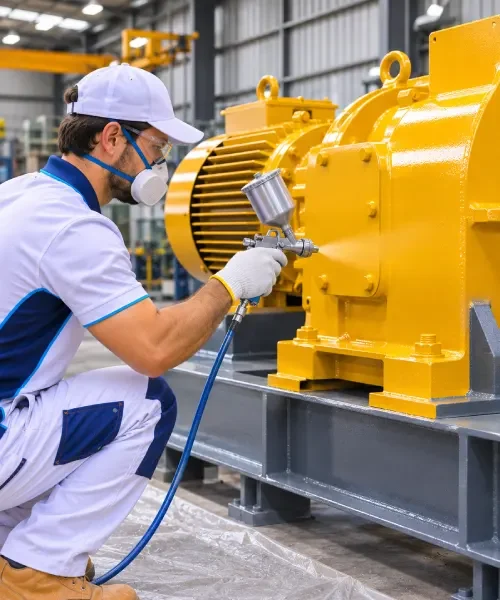
Machinery and equipment painting refreshes the visible finish of suitable industrial assets. It can help address faded or worn paint while giving equipment a more consistent appearance. The right approach depends on the existing coating, underlying surface and condition of the machinery.
For factory operators, workshop owners and businesses managing industrial equipment, repainting may be worth considering when an asset looks tired or its existing finish needs attention. Paint suitability should be assessed before work is agreed.
For suitable Melbourne enquiries, Pakenham Premier Painters can discuss equipment condition, access and painting requirements before any work is scoped.

Why Choose Us for Machinery Painting
Machinery painting needs more than a colour decision. Equipment may have controls, labels, moving components and working areas that should not receive paint. Pakenham Premier Painters can discuss these details when assessing a proposed job.
The position and operation of a machine also matter. Clear information about surrounding activity, available space and when equipment can be taken out of use helps establish realistic project requirements.
Instead of assuming every machine can be painted in place or moved elsewhere, an enquiry can begin with its actual condition and practical constraints. That makes it easier to identify what needs checking before quotation.
Machinery Painting Questions Answered
Understand what affects machinery painting suitability, equipment access, coating decisions and the details needed for an informed enquiry.
Can Machinery Be Painted at My Site?
On-site machinery painting may be possible, depending on equipment location, accessibility, surrounding operations and working conditions. Suitable arrangements for surface preparation, overspray and workplace safety must also be considered. Whether painting can take place at your premises needs confirmation before a project is agreed.
Does Machinery Need to Be Shut Down?
Some equipment painting work requires machinery to be taken out of operation and appropriately isolated. The requirements depend on the equipment and proposed work. Discuss operational restrictions and shutdown arrangements with the responsible site personnel before planning the painting. A particular shutdown duration cannot be assumed without assessing the requirements.
Can Old Paint and Rust Be Covered?
Painting directly over deteriorating coatings or rust may affect the suitability of the new finish. The existing surface should be assessed to determine what preparation or further treatment may be needed. For machinery repainting, provide photographs showing peeling paint, corrosion and damaged areas so the requirements can be discussed before work is agreed.
What Affects Machinery Painting Costs?
Machinery painting costs depend on factors such as equipment dimensions, surface condition, preparation requirements, access, coating selection and operational restrictions. Machinery with intricate components or difficult access may require additional planning. Providing accurate equipment details helps establish the proposed scope before a quotation can be considered.
Can Existing Machinery Colours Be Matched?
An existing colour reference or manufacturer specification can help communicate the intended appearance. However, whether a particular colour can be matched depends on available coatings, existing finishes and project requirements. Discuss colour expectations early, especially when repainting only part of a machine where differences between old and new paint may be visible.
How Long Does Machinery Repainting Take?
The required time varies according to equipment size, existing coating condition, preparation, access and the selected painting system. Machinery shutdown requirements and coating drying or curing conditions may also affect scheduling. An accurate timeframe needs to be considered against the proposed work rather than relying on a standard completion estimate.
Machinery Repainting for Existing Equipment
Industrial equipment can develop an uneven appearance as its painted surfaces experience regular use, handling and exposure to workplace conditions. Machinery repainting may be appropriate when existing finishes have faded, become marked or no longer provide the appearance required by the owner.
Before arranging a machinery repaint, consider whether the work involves the entire outer surface or only selected painted sections. The extent of the proposed repaint affects preparation, colour consistency and access requirements. Explaining which areas need attention helps establish a more suitable painting scope without assuming that every component requires the same treatment.
Rust, Peeling Paint and Surface Condition
The condition beneath an existing finish matters when planning machinery painting. Flaking coatings, surface corrosion, scratches and areas where previous paint has failed may need different preparation considerations. Applying another coating without understanding the condition could leave underlying problems unresolved.
A useful starting point is identifying where deterioration has occurred and whether the affected surfaces are suitable for repainting. Photographs can help explain the visible condition, although further assessment may be necessary. Where corrosion or coating damage suggests a specialist treatment requirement, the appropriate approach must be established before ordinary equipment repainting is considered.

Project Enquiries
Contact Us

Address
84 Greendale Blvd, Pakenham VIC 3810, Australia
Call Us
0430 433 100
Reasons To Trust Us for Machinery Painting
A machinery painting enquiry should begin with practical details and clear limits, not assumptions about finishes, access, experience or guaranteed outcomes.
- Clear boundaries around the proposed painting scope
- Recognition that appearance and performance requirements differ
- No assumed disassembly, transport or workshop arrangements
- Openness about work requiring additional specialist assessment
- Consideration of asset information provided by customers
- Questions informed by the intended finish specification
- Practical discussion before any quotation is prepared


Contact Us
Discuss Your Machinery Painting
For machinery painting, note the equipment type, current finish and damage, areas that must remain uncoated, manufacturer requirements and whether the asset can be isolated or moved.
Shutdowns and Machinery Access Requirements
Painting equipment used in an active workplace requires consideration of how the proposed work may affect normal operations. Production schedules, access routes, nearby workers and the ability to take machinery out of use can influence whether a particular painting arrangement is practical. These matters should be identified before establishing a schedule.
Where machinery isolation is required, the site’s responsible personnel must determine the appropriate arrangements in accordance with applicable requirements. Painting access also depends on the equipment’s position, surrounding clearance and the surfaces requiring attention. Providing this information allows the proposed machinery painting work to be discussed without assuming that normal operations can continue uninterrupted.
Equipment Types and Painting Suitability
Machinery painting enquiries may involve workshop equipment, production machinery, fixed industrial assets or other equipment with existing painted surfaces. The suitability of an individual asset depends on its construction, materials, condition and the areas requiring repainting. Not every machine or component is automatically suitable for an ordinary painting treatment.
Businesses considering industrial machinery painting should identify the equipment type and intended scope before proceeding. Some assets have functional surfaces, operating components or manufacturer requirements that limit where coatings may be applied. Pakenham Premier Painters can discuss the proposed equipment painting requirements, with the suitability of specialist work subject to confirmation.
Choosing a Machinery Painting Finish
Choosing a suitable finish involves more than selecting an attractive colour. The equipment’s surface material, existing coating and intended environment can influence which painting products are appropriate. A finish selected primarily for appearance may not meet additional technical performance requirements.
Before choosing a machinery painting coating, identify any manufacturer specifications or requirements that apply to the equipment. Colour, surface appearance and compatibility with the existing finish are useful considerations. Where particular protective properties are required, the relevant coating specifications and technical suitability need to be established rather than assumed.
Machinery Painting Enquiries in Melbourne
Businesses across Melbourne may consider machinery repainting when maintaining the appearance of existing industrial equipment. Pakenham Premier Painters is based in Pakenham, Victoria, with machinery and equipment painting included in its planned service offering for suitable projects in the Melbourne market.
The feasibility of a particular location depends on the equipment, proposed work, site access and confirmed service coverage. When enquiring about machinery painting in Melbourne, provide the equipment’s location and whether it is fixed or movable. This helps determine whether the requested work and location can be considered without assuming every industrial site is covered.
Protecting Controls and Nearby Work Areas
Industrial machinery often contains parts that should not receive paint, including identification plates, electrical controls, seals, moving components and working surfaces. These areas need to be identified when planning equipment painting so their functions and any manufacturer restrictions can be considered.
Surrounding equipment and occupied work areas may also affect the painting arrangement. Overspray, access and the need for appropriate protection must be considered in relation to the actual site and selected method. Describing nearby machinery and sensitive areas during the enquiry helps establish whether suitable protection and working conditions can be arranged.
Deciding Between On-Site and Off-Site Painting
Whether machinery should be painted in place or at another location depends on several practical factors. Large fixed equipment may be difficult to move, while smaller assets may have different handling and access considerations. However, equipment size alone does not determine which arrangement is suitable.
Before arranging on-site or workshop machinery painting, establish whether the machine can be moved, who is responsible for transport and what facilities the proposed work requires. Neither on-site nor workshop availability should be assumed. The appropriate arrangement must be confirmed against the actual equipment, project scope and operational requirements.
What to Prepare Before Requesting a Quote
A machinery painting enquiry is more useful when it includes clear information about the equipment and the work being considered. Start with the machinery type, approximate dimensions, location and a description of the existing painted surfaces. Photographs showing the overall machine and any damaged areas can help communicate its condition.
It is also useful to explain your preferred colour, any manufacturer coating requirements, operational restrictions and when the equipment might be available for painting. If particular components must remain untouched, identify them early. These details help Pakenham Premier Painters review the proposed machinery and equipment painting requirements and identify what needs to be confirmed before a quotation can be prepared.
Machinery Painting: What to Check First
| Equipment Condition | What Needs Checking | Details to Share |
|---|---|---|
| Fixed Machinery | On-site painting feasibility and access | Position, clearances and nearby equipment |
| Movable Equipment | Off-site arrangements require confirmation | Transport and handling responsibilities |
| Operating Machinery | Shutdown and isolation requirements | Operating restrictions and available downtime |
| Peeling or Worn Paint | Existing coating condition and preparation | Close-up photographs of affected surfaces |
| Visible Rust | Extent of corrosion and treatment suitability | Affected areas and visible damage |
| Sensitive Components | Paint exclusions and protection requirements | Controls, labels, seals and moving parts |
| Specified Paint Finish | Coating compatibility and technical suitability | Manufacturer specifications and colour references |
Six Things to Clarify Before Machinery Painting
These practical checks help define the intended repaint, identify equipment restrictions and clarify what needs to be confirmed before work is planned.
Define the Repaint Area
Decide whether the whole visible machine casing needs repainting or only selected painted sections. Identify panels and surfaces that should remain unchanged.
Appearance or Protection?
Clarify whether colour, appearance or specific coating performance matters most. An ordinary repaint does not automatically provide specialist protective properties without a suitable specification.
Check Manufacturer Restrictions
Share any available manufacturer guidance or coating requirements. Functional surfaces, operating components and sensitive areas may have restrictions that affect painting suitability.
Confirm Shutdown Responsibility
Identify the responsible site personnel who can explain operating restrictions and required isolation arrangements. Equipment availability must be confirmed before painting can be scheduled.
Consider Nearby Operations
Describe surrounding equipment, occupied work areas and available working space. These conditions influence access, preparation, protection requirements and the practicality of on-site painting.
Painting Versus Repairs
Repainting suitable surfaces is different from repairing mechanical faults or addressing serious underlying deterioration. Identify separate repair or specialist treatment needs before defining the painting scope.