
Fence Painting Pakenham
Fence painting refreshes the appearance of an existing boundary while adding a suitable finish to surfaces exposed to outdoor conditions. The appropriate coating depends on the fence material, its condition and any previous treatment.
Homeowners, landlords and property managers may consider painting when a timber fence looks weathered, an older finish is peeling or a metal fence needs a change of colour. Some surfaces require attention before coating is suitable.
Based in Pakenham, Pakenham Premier Painters includes fence painting among its planned services for suitable Melbourne properties. Sharing the fence type, desired finish and access details helps establish what the job may involve.
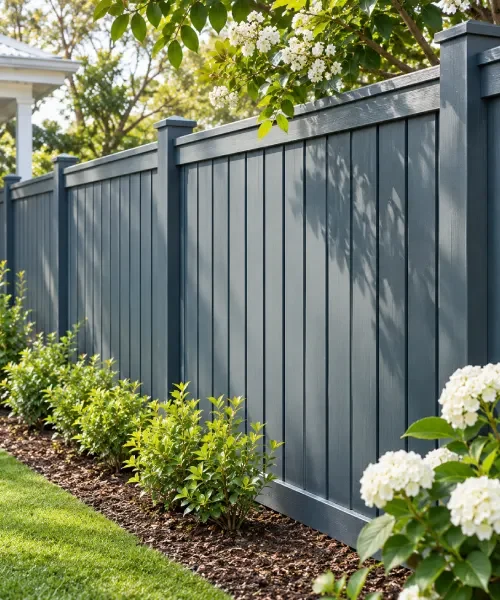

Why Choose Us for Fence Painting?
A useful fence painting conversation starts with the boundary itself rather than a colour choice. Posts, rails, gates and panels can differ in material and condition, so each deserves consideration when defining the job.
With Pakenham Premier Painters, you can raise concerns about existing coatings, awkward corners and the extent of preparation that may be needed. It is important to distinguish a painting request from damaged fencing that requires separate repairs.
You can also clarify whether the visible side alone needs attention or both sides are being considered. Clear expectations about access, surfaces and finish make your enquiry more useful.
Fence Painting Questions Answered
Find answers about fence condition, coating suitability, neighbour access, preparation, costs and what to discuss before requesting work.
Can an Older Timber Fence Be Painted?
Often, yes, if the timber is sound enough and the existing finish can be prepared appropriately. Timber fence painting depends on whether the boards are weathered, coated, damp or deteriorating. Painting does not fix rotten or unstable boards, so identify those concerns before deciding on a new finish.
Is Painting a Metal Fence Possible?
Metal fence painting may be an option, but suitability depends on the metal, any factory finish and the condition of the surface. Rust, peeling coatings or unknown previous treatments can affect preparation and product choice. Describe the fence material rather than assuming a standard outdoor paint will suit it.
Can Both Sides of a Fence Be Painted?
Both faces may be considered, provided there is suitable access and the relevant property owners agree to the arrangements. Shared fence painting can involve neighbouring gardens, plants, gates and different expectations about colour. Clarify which side is included before requesting a quote, especially where access would involve another property.
What Affects the Cost of Fence Painting?
Fence painting cost depends on the length and height, fence material, surface condition, preparation required and how much of the fence is included. Restricted access and additional faces can also change the scope. There is no universal price that suits every boundary; provide the details needed for a job-specific discussion.
Does Weather Affect Outdoor Fence Painting?
Yes. Outdoor fence painting requires conditions appropriate for surface preparation, coating application and drying. Rain, moisture and temperature can affect whether work is suitable at a particular time. Timing should be considered against the fence condition and the coating instructions rather than assuming painting can proceed in any weather.
Should Plants Be Moved Before Painting Fences?
Plants, furniture and stored items close to a fence can limit access or complicate protection of nearby areas. For fence repainting, mention climbing plants, dense shrubs or narrow paths when enquiring. Whether anything needs moving or protecting depends on the agreed scope and how close those items are to the surfaces being painted.
Timber and Metal Fence Painting
Timber fence painting needs to account for the boards, posts and any coating already on the wood. A weathered timber surface is different from one carrying an intact painted finish. Exposed timber, previous stains and loose coatings can influence the preparation and product options worth discussing.
Metal fences bring different questions. Existing painted panels, corrosion and factory-applied finishes may affect whether repainting is suitable and what coating is appropriate. Rather than assuming the same approach works for every fence, describe the material and any visible damage when enquiring about metal fence painting.
When a Weathered Fence Needs Repainting
A faded colour alone does not tell you whether a fence is ready to repaint. Look for peeling paint, rough timber, bare patches, discolouration or coating that no longer appears firmly attached. These signs help explain the problem when requesting fence repainting, although they do not establish the cause by themselves.
Painting also has limits. Loose boards, rotting timber, unstable posts or significant metal deterioration may require attention beyond a coating job. Separating surface appearance from underlying fence damage helps avoid spending money on a finish before the condition of the boundary is understood.

Project Enquiries
Contact Us

Address
84 Greendale Blvd, Pakenham VIC 3810, Australia
Call Us
0430 433 100
Reasons To Trust Us for Fence Painting
Fence painting decisions deserve clear discussion of the boundary’s condition, the intended finish and practical limitations before the work is scoped.
- Gates, posts and panels considered as separate areas.
- Existing coatings identified before discussing finish choices.
- Narrow paths and obstacles included in access discussions.
- Neighbour-facing work distinguished from your own side.
- Visible damage separated from ordinary repainting needs.
- Scope questions welcomed before any price assumptions.
- Realistic finish expectations without unsupported durability promises.
- Quote requests can describe affected board sections.


Contact Us
Discuss Your Fence Painting
Before planning fence painting, identify the fence material, approximate length and height, sides to be coated, existing finish and any access restrictions.
Preparing a Fence for Painting
Fence painting preparation depends on what is already on the surface. Dirt, loose coatings and weathered sections may need different attention, while nearby paths, plants and fixtures may require protection. The appropriate steps should be determined from the fence material, existing finish and agreed scope rather than a fixed checklist for every job.
Access matters just as much as the surface. Gates, garden beds, stored items and restricted spaces behind a fence can affect how the painting area is approached. Share photographs and identify hard-to-reach sections when possible, then discuss what preparation and access arrangements would be needed before work is scheduled.
Fence Painting for Homes and Rental Properties
A homeowner may want a more consistent boundary colour after changes to a garden or outdoor area. The important decision is often which visible surfaces to include and whether a full fence repaint or a smaller section makes sense. The condition of adjoining panels can influence how noticeable the difference will be.
For landlords and property managers, fence painting may form part of planned property upkeep. Access, tenant arrangements and the condition of older fencing can affect what is practical. Providing clear information about the fence and who can authorise access helps establish the intended work without assuming every damaged boundary only needs paint.
Choosing Fence Colours and Finishes
The colour of a boundary fence can change how a garden, courtyard or outdoor area feels. When considering a fence colour change, think about nearby walls, plants, gates and the appearance of adjoining surfaces. A colour viewed on a small swatch can look different across a long fence run.
Finish choice is not purely decorative. Surface material, previous coatings and the level of visible wear can limit suitable options. If you want to keep a timber appearance rather than cover it with an opaque colour, raise that preference early so paint and stain options can be considered appropriately.
Fence Painting Enquiries in Pakenham and Melbourne
If you are looking for fence painters in Melbourne, Pakenham Premier Painters is based in Pakenham and intends to offer this work for suitable properties. Confirm whether your address and proposed work can be accommodated; a Melbourne location does not establish availability for every job.
Local enquiries are more useful when they include the suburb, fence material and approximate extent of painting required. Boundary access and existing surface condition can matter more than distance alone when identifying the work involved. Share those details so the enquiry can be considered against actual service coverage and scope.
Shared Fence Access and Neighbour Considerations
A boundary fence may be visible from two properties, but an enquiry for painting does not automatically include both faces. The neighbour-facing side may be inaccessible from your land, and a preferred colour may differ across the boundary. Confirm which surfaces you want painted before discussing the extent of work.
Where another property is involved, speak with the relevant owner or occupier about access and any proposed changes. Plants, furniture and nearby surfaces on their side may also need consideration. Fence painting should not be treated as permission to enter neighbouring land or alter another person’s side without agreement.
Paint or Stain for Timber Fences?
Paint and stain can serve different appearance goals on a suitable timber fence. Paint generally gives a more opaque colour, while some stains allow the timber’s texture or grain to remain visible. The right choice depends on the timber, its previous treatment and the finish you prefer, not simply which product looks better on a colour chart.
A previously painted fence may need different preparation from bare or stained timber, and switching finishes is not always straightforward. Discuss what is already on the boards and how much of their natural appearance you want to retain. That helps narrow the options without promising a particular lifespan or maintenance interval.
What to Share for a Fence Painting Quote
Before requesting a fence painting quote, gather the approximate fence length and height, the material and any photos showing the current finish. Mention whether you want one side or both, if gates or posts are included and whether there are peeling areas or visible damage. These details help describe the job without assuming a fixed rate.
Also include the property suburb, any restricted access, nearby plants and your preferred colour or finish if you have one. If you are unsure whether the fence is ready for painting, explain the concern rather than guessing. A clear enquiry is the best starting point for discussing suitability, scope and possible next steps.
Fence Painting: What to Check First
| Fence Condition | What Matters | Next Step |
|---|---|---|
| Faded Timber | Board condition and existing finish | Show uneven or weathered areas |
| Peeling Paint | Loose coatings may need preparation | Photograph flaking and exposed patches |
| Damaged Boards | Painting cannot fix unstable timber | Identify separate repair needs first |
| Corroded Metal | Rust and existing finishes affect suitability | Describe affected panels and material |
| Paint or Stain | Opaque colour or visible timber grain | Explain preferred appearance and previous treatment |
| Shared Boundary | Neighbour access or agreement may be needed | Confirm sides included and access permissions |
| Restricted Access | Plants and obstacles limit working space | Show gates, paths and narrow areas |
Six Things to Plan Before Fence Painting
These practical details help clarify the finish, scope and arrangements for your fence painting enquiry.
-
01
Decide How Much to Paint
Decide whether the full fence run or only selected sections need painting. A partial colour refresh may stand out beside neighbouring panels with older finishes.
-
02
Include Gates and Details
Say whether posts, rails and gates should be included. These parts may have different surfaces or wear from the main panels, so define them separately.
-
03
Look Beyond Colour Swatches
A colour that looks right on a small sample can appear different across a long boundary. Consider nearby walls, garden features and adjoining surfaces.
-
04
Plan Rental Property Access
For tenanted properties, identify who can authorise the work and arrange access. Landlords and property managers should mention any occupant or boundary-related constraints early.
-
05
Consider Weather and Drying
Outdoor painting depends on suitable moisture, temperature and drying conditions. Discuss timing in relation to the fence’s condition and coating requirements, rather than assuming any day will suit.
-
06
Prepare Your Enquiry Details
Share approximate fence measurements, the suburb, existing material, photos and preferred finish. Flag any areas of uncertainty so suitability and scope can be discussed without guesswork.