
Ceiling Plastering & Repairs Pakenham
Ceiling plaster repairs address cracked, chipped, stained or damaged ceiling surfaces where the plaster lining needs attention. The right approach depends on the condition of the board and what caused the problem.
Homeowners, landlords and property managers may need ceiling plastering and repairs after minor impact damage, visible joint cracking or deterioration. Some ceilings need a local patch; others need a closer look before repair can be considered.
Pakenham Premier Painters is based in Pakenham, with ceiling plaster repairs planned for suitable Melbourne properties. Describe the affected area, access and any known underlying problems when enquiring.
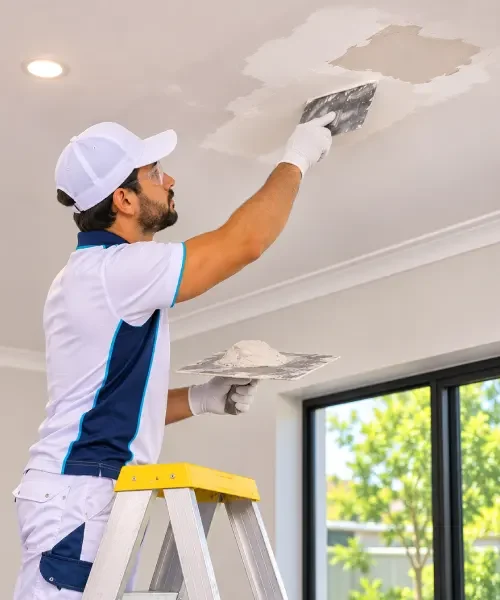

Why Choose Us for Ceiling Plaster Repairs?
For ceiling damage, choosing a repair approach starts with what is visible and what may lie behind it. A discussion with Pakenham Premier Painters can focus on the plaster, rather than assuming paint will resolve every defect.
Cracked joints, isolated holes and deteriorated sheets need different responses. Considering the affected area, access and surrounding condition helps define a sensible ceiling plaster repair request.
Where staining, movement or sagging raises further questions, those concerns should be identified before finishing is discussed. This distinction supports a clearer conversation about repair scope, possible limitations and the factors affecting a quotation.
Questions About Ceiling Plaster Repairs
Find out when ceiling plaster can be repaired, what requires further assessment, and which details help your enquiry.
Can a Sagging Ceiling Be Patched?
Not automatically. Sagging may indicate a problem with the plasterboard, fixings, moisture or supporting structure. Ceiling plaster repairs should not begin with cosmetic patching until the cause and safety of the affected area are understood. A visibly unstable ceiling needs appropriate professional assessment before repair options are considered.
What If Water Has Damaged Plaster?
Water-damaged ceiling plaster needs more than stain coverage. The source of moisture should be resolved separately, and the plasterboard assessed for deterioration. A small mark does not always require replacement, but substantially wet, softened or distorted lining may. Pakenham Premier Painters cannot be assumed to provide plumbing, leak detection or mould remediation.
When Is Ceiling Plasterboard Replacement Necessary?
A localised hole or superficial defect may be suitable for patching. Ceiling plasterboard replacement may be more appropriate where a section is badly weakened, distorted or too extensively damaged for a sound repair. The choice depends on the actual condition, extent of damage and any requirements for the existing ceiling system.
Will Ceiling Repairs Need Repainting Afterwards?
Usually, the repaired ceiling area needs a suitable decorative finish once plaster finishing is ready. A patch can remain visible if its texture or colour differs from the surrounding ceiling. Whether spot painting or broader ceiling painting is appropriate depends on the existing surface and desired appearance; painting should be scoped separately.
What Affects a Ceiling Plaster Repair Quote?
The size and location of the damage, ceiling height, access, plasterboard condition and likely repair or replacement work can all affect a ceiling plaster repair quotation. Photos and an accurate description help explain the request, but pricing and suitability may still require further assessment. No fixed rate or completion timeframe is assumed.
Can Repairs Be Discussed for Occupied Rooms?
Yes, when enquiring about ceiling plaster repairs, explain whether the room is currently occupied and how access can be arranged. Furniture, floor protection, room use and the extent of the work are practical considerations. Any disruption, preparation or scheduling arrangements need to be discussed for the individual job rather than assumed in advance.
Cracked Ceiling Plaster and Joint Damage
A hairline crack at a ceiling joint is different from a crack spreading across several areas or opening again after earlier repairs. Joint movement, surface condition and the surrounding plaster can influence whether a local ceiling crack repair is appropriate. Covering an active crack with paint alone does not address its cause.
When describing ceiling cracks, note their position, whether they have changed and whether the plaster feels or looks displaced. These details help distinguish straightforward surface damage from signs that warrant closer assessment. The aim is to choose an appropriate response without treating every visible line as the same problem.
Water-Stained and Damp Ceiling Plaster
A brown mark, bubbling paint or soft plaster may suggest that a ceiling has been affected by moisture. Before any plaster repair is considered, the source needs to be identified and resolved by an appropriate trade where necessary. Replacing or covering the visible plaster alone will not stop water entering again.
Once the moisture issue has been addressed, the ceiling lining still needs to be assessed. Some minor staining may leave the board intact; extensive wetting or loss of strength can change the repair requirements. A plaster repair enquiry should make clear whether the ceiling is dry and whether the source of moisture is known.

Project Enquiries
Contact Us

Address
84 Greendale Blvd, Pakenham VIC 3810, Australia
Call Us
0430 433 100
Reasons to Trust Us for Ceiling Plaster Repairs
A useful ceiling repair enquiry starts with clear damage details, realistic repair boundaries and an understanding of what needs checking first.
- Ceiling-specific enquiries rather than general wall patching
- Attention to cracks, openings and weakened sheets
- Repair scope considered before decorative finish choices
- Clear separation of moisture and plaster issues
- Ceiling access considered when discussing job requirements
- Replacement questions addressed alongside local patching options
- Enquiries grounded in property and damage details


Contact Us
Discuss Your Ceiling Repair
For ceiling plaster repairs, note the affected room, visible damage, any history of leaks or moisture, whether the damage is changing and access conditions.
How Ceiling Plaster Repair Scope Is Considered
The starting point for ceiling plastering and repairs is the visible condition: where damage appears, how widespread it is and whether the lining remains sound. Ceiling height, fixtures and access also matter when deciding what needs to be assessed. Photos may assist an initial conversation, but cannot establish every hidden cause.
Once the ceiling condition and any separate underlying issues are understood, the potential scope may involve a local patch, treatment of damaged joints or replacement of an affected section. Finishing needs are then considered in relation to the surrounding ceiling. The precise method must suit the actual job rather than follow a one-size-fits-all sequence.
Ceiling Repairs for Homes and Managed Properties
A damaged ceiling can affect a family living area, an apartment, a rental property or a commercially occupied room. Homeowners may be concerned about appearance and disruption, while landlords or property managers may also need to coordinate access with occupants. The repair decision still depends on the ceiling’s condition, not simply the type of property.
For a managed property, explain who can arrange access, which room is affected and whether anyone has noticed changing cracks, dampness or sagging. Those details help identify practical constraints before ceiling plaster repair work is discussed. They should not be taken as proof that every property or location can be serviced.
Getting Ceiling Plaster Ready for Painting
A plaster repair and a paint finish are different stages. Patches and repaired joints generally need suitable setting, drying and surface preparation before decorating can be considered. The surrounding ceiling may have an existing texture or finish that makes a repaired area more noticeable if it is not considered in advance.
For that reason, it is worth discussing whether the requirement is limited to restoring the damaged plaster or also includes making the area ready for repainting. Paint can improve the appearance of a suitably prepared repair, but it should not be relied on to conceal loose plaster or an unresolved ceiling defect.
Ceiling Plaster Repairs in Pakenham and Melbourne
Pakenham Premier Painters is based in Pakenham, Victoria, with ceiling plaster repairs planned for suitable properties across its intended Melbourne service market. Actual job availability and coverage need to be confirmed for the property concerned; a Melbourne address alone does not establish that a particular job can be accepted.
When enquiring from Pakenham or elsewhere in Melbourne, include the suburb and a brief explanation of the ceiling condition. Property type, access and the nature of the damage are more useful than a location name alone when considering whether ceiling repair work is suitable.
When Ceiling Damage Needs Specialist Attention
A ceiling that is visibly sagging, separating or affected by significant water damage should not be treated as a straightforward cosmetic repair. Avoid standing beneath an unstable area and arrange appropriate professional assessment. Structural, electrical and water-entry concerns may need to be dealt with by suitably qualified specialists before plaster work is considered.
The same distinction matters if there is suspected asbestos, mould contamination or a ceiling with particular fire or acoustic requirements. These conditions cannot be assumed to fall within ordinary ceiling plaster repair work. Flag them when enquiring so the limits of the proposed work are clear from the outset.
Choosing Between Patching and Section Replacement
Ceiling plaster patching may suit an isolated opening or a limited area of surface damage where the surrounding lining remains sound. Replacement of an affected section becomes a different consideration if the board has weakened or the damage extends beyond a practical patch. A visually small defect is not always a small underlying problem.
The decision should account for the damaged material, attachment and joints with the existing ceiling, access and any relevant system requirements. It is better to establish these considerations than to request the cheapest-looking option without understanding whether it is suitable. A quotation should reflect the work actually needed, not an assumed standard repair.
What to Include in Your Ceiling Repair Enquiry
To discuss ceiling plaster repairs, share the property suburb, room type, approximate affected area and what you can see: cracks, holes, staining, sagging or loose material. Photos taken from a safe position can help show the problem. You do not need to climb or disturb a damaged ceiling to collect information.
Mention whether the damage has changed, whether there has been a leak and whether that issue has already been resolved. Include any access considerations and your preferred timing without assuming immediate availability. These details give Pakenham Premier Painters a clearer starting point for discussing the enquiry and whether further assessment is needed.
Which Ceiling Plaster Repair Is Suitable?
| Ceiling Condition | Repair Consideration | What to Check First |
|---|---|---|
| Small Hole or Dent | Local plaster patching may be suitable. | Surrounding plasterboard must remain sound. |
| Cracked Ceiling Joint | Joint repair may be appropriate. | Crack movement and surrounding plaster condition. |
| Water Stains or Bubbling | Repair depends on remaining board condition. | Moisture source must be resolved first. |
| Soft or Distorted Plasterboard | Affected section may require replacement. | Extent of deterioration and underlying cause. |
| Sagging or Separating Ceiling | Cosmetic patching alone is inappropriate. | Avoid the affected area; arrange professional assessment. |
Before You Enquire About Ceiling Plaster Repairs
Six practical details to help explain your ceiling problem and clarify what may need attention before repairs are considered.
-
01 Start With Safe Photos
Photograph the affected area from a safe position, without climbing or touching damaged material. Include a wider view so the ceiling location and surrounding condition are easier to explain.
-
02 Track What Has Changed
Note when the defect was first noticed, whether a crack has widened or returned, and any changes in staining or shape. Movement can affect what needs assessing.
-
03 Explain Any Water History
Say whether a leak or moisture problem occurred, if its source is known, and whether it has been resolved. Ceiling repairs should not disguise an ongoing water issue.
-
04 Describe Room Access
Mention ceiling height, nearby fixtures, room use and whether the space is occupied. These details help identify access or protection questions before the job is scoped.
-
05 Clarify Your Finish Expectations
Explain whether you need plaster repair alone or want repainting considered as well. Existing ceiling texture and colour can affect how noticeable a finished patch may appear.
-
06 Flag Specialist Concerns
Mention suspected asbestos or mould, electrical or structural concerns, or fire and acoustic ceiling requirements. These may need separate specialist assessment rather than ordinary cosmetic plaster work.