
Brick Painting Pakenham
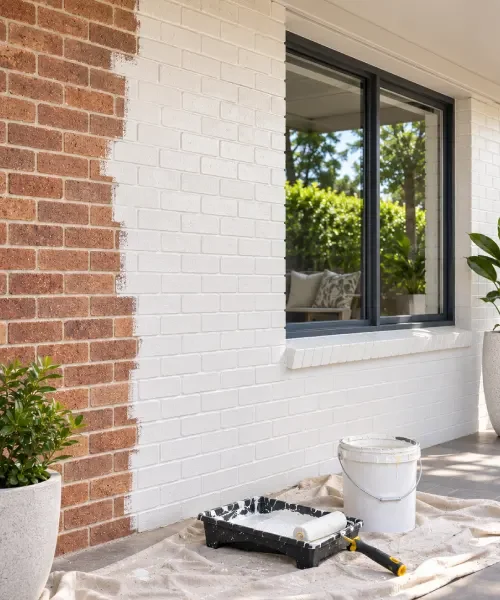
Brick painting gives exposed brick walls a new colour while keeping much of their original surface texture visible. It can change the appearance of a home without covering the masonry with render.
For homeowners considering a refreshed entrance, street-facing wall or other suitable brick surface, the important first question is whether the brickwork can accept a coating.
Pakenham Premier Painters includes brick painting among its exterior services for suitable properties in Pakenham and Melbourne. Brick condition, existing finishes, moisture and access all matter when deciding what work may be appropriate. These details deserve attention before a finish is selected.

Why Choose Us for Brick Painting
Painting brick involves more than choosing a colour. Different brick faces and mortar joints can absorb coatings differently, so an enquiry should consider the actual masonry rather than assume every wall needs the same treatment.
Pakenham Premier Painters has a dedicated brick painting offering, helping keep your enquiry focused on the surface you want changed. You can describe the wall’s current appearance, any previous paint and the finish you have in mind.
That information creates a more useful starting point for discussing suitability, possible preparation and quotation requirements, without assuming that every brick wall should be painted.
Brick Painting Questions Answered
Understand brick suitability, moisture, preparation, finish choices and practical decisions before requesting painting for your property in Melbourne.
Can All Exterior Bricks Be Painted?
Not every brick surface is equally suited to painting. Brick type, porosity, mortar condition and any existing coating can influence the outcome. Brick painting should be considered only after the surface is understood; some damaged, damp or unsuitable walls may need other attention before a coating is appropriate.
Why Does Moisture Matter Before Painting?
Water moving through brickwork can carry salts to the surface or interfere with how a new coating holds. If you notice damp patches or white deposits, the cause should be understood before exterior brick painting is considered. Paint is not a substitute for dealing with an underlying moisture problem.
Can Painted Bricks Be Made Bare Again?
Removing paint from brick can be difficult and may damage the face of the masonry, depending on the bricks and removal method. Treat brick painting as a significant visual decision rather than an easily reversible colour change. If preserving exposed brick matters to you, raise that concern before selecting a finish.
Should Cracked Mortar Be Painted Over?
Cracked or missing mortar can affect the condition of a brick wall and may point to work that painting alone cannot solve. Describe visible cracks when discussing brick painting, and consider whether repair or specialist assessment is needed first. A decorative coating should not be presented as a structural repair.
Can Previously Painted Brickwork Be Repainted?
Possibly, but the adhesion and condition of the existing finish matter. Loose, peeling or chalky coatings can affect a new paint system, while sound coatings may need different preparation. A brick repainting enquiry should mention what is already on the wall, particularly where the older finish is failing.
How Much Does Brick Painting Cost?
There is no single reliable price for every brick painting job. The amount of wall area, brick condition, cleaning or preparation needs, accessibility and proposed finish can all affect the scope. Sharing clear photos and the property location helps establish what needs to be considered for a quotation, without assuming a fixed rate.
Assessing Bare Brick Before Painting
A brick wall can look sound from a distance and still have areas that complicate painting. Powdery faces, worn mortar, discolouration and uneven absorption are worth identifying before you decide on a coating. Painting a wall that is shedding material or showing signs of damage may not be appropriate until the underlying condition is addressed.
A useful assessment also separates the bricks from the joints between them. Their surfaces may respond differently to a finish, and a patch that appears consistent in one area may look different elsewhere. For bare brick painting, ask whether the masonry condition supports the proposed result rather than selecting solely from a colour swatch.
White Salt Deposits and Damp Brickwork
White, powdery deposits on brickwork can be a sign of efflorescence, which occurs when moisture carries soluble salts towards the masonry surface. Although these marks may appear to be a cosmetic problem, they deserve attention before painting. Coating over recurring salt deposits or damp brickwork without investigating the cause can create problems with paint adhesion and appearance.
Other warning signs include persistent dark patches, crumbling brick faces and areas where existing paint has blistered. These conditions do not automatically mean painting is impossible, but they may change what preparation or further assessment is necessary. If moisture is affecting your exterior brick wall, understanding the underlying issue is more important than immediately covering the visible marks.

Project Enquiries
Contact Us

Address
84 Greendale Blvd, Pakenham VIC 3810, Australia
Call Us
0430 433 100
Reasons To Trust Us for Brick Painting
An informed brick painting decision starts with clear boundaries, realistic expectations and attention to the condition of the surface.
- Dedicated enquiries for masonry rather than general painting.
- Attention to both brick faces and joints.
- Scope discussions that distinguish coating from repair work.
- Clear recognition of existing paint and moisture concerns.
- Room to discuss the finish before committing.
- Consideration of access around the intended brickwork.
- Focus on practical maintenance after colour changes.


Contact Us
Ask About Your Brickwork
Before painting brickwork, consider the condition of the brick faces and mortar joints, any existing coating, moisture signs and the level of exposure.
Preparing Brick Walls for Painting
Preparation begins with understanding what is on the wall, not automatically reaching for paint. Dust, loose material, residues and failing coatings can prevent a finish from bonding as intended. Mortar joints, surface dryness and any previous treatments may also affect which preparation steps are suitable.
Access, nearby windows and adjoining finishes influence the practical scope as well. When making an enquiry, describe whether the brickwork is bare, previously painted, sheltered or fully exposed. The appropriate cleaning, repairs and coating approach should be decided from the wall’s condition rather than assumed in advance.
Brick Painting for Frontages and Features
Some homeowners want to change an entire exposed brick frontage; others prefer a smaller change at an entrance, courtyard wall or architectural feature. Each option creates a different relationship between painted and unpainted areas. Before choosing a coverage area, consider what should remain visible and how the colour will sit alongside surrounding materials.
Brick painting can also be relevant when an addition has masonry that looks noticeably different from existing brickwork. Whether it makes sense to coat one wall or several depends on the appearance you want, the condition of each surface and the extent of the work. Separate walls may need separate consideration, even within the same property.
What Changes When Brick Gets Painted?
Unlike render, paint generally follows the shape of the existing masonry, leaving joints and much of the brick texture visible. A more uniform colour can soften variation between bricks and make a frontage feel different without creating a flat, plaster-like surface. The final appearance still depends on the brick profile and selected coating.
That visual change brings a maintenance decision. Once brick has been coated, future upkeep may involve cleaning, checking for wear and eventually repainting when necessary. If you enjoy the appearance of unpainted brick and want to avoid ongoing coating maintenance, discuss that trade-off before moving ahead.
Brick Painting Considerations in Pakenham and Melbourne
Outdoor brickwork in Pakenham and Melbourne can be exposed to different levels of sun, rainfall and shelter depending on its position. A street-facing wall and a sheltered courtyard may therefore present different painting conditions even at the same property. Exposure should be considered alongside the masonry itself when discussing finishes and scheduling possibilities.
Pakenham Premier Painters is based in Pakenham and targets suitable projects in Melbourne. Whether a particular address can be covered needs to be confirmed rather than assumed from a broad area name. Include your suburb and a brief description of the brick surfaces so the proposed work can be considered in its proper context.
Repainting Brick With Existing Coatings
When brickwork already has paint on it, the old surface becomes part of the decision. Fading colour may be largely visual, while flaking, blistering or patchy adhesion can signal deeper preparation or moisture concerns. Adding another layer without understanding what is failing may leave the same problem unresolved.
A request for brick repainting should therefore describe whether the finish is sound throughout or damaged in particular areas, including near the base of the wall and around joints. The extent of deterioration helps frame any discussion about surface preparation and whether repainting is appropriate. Existing damage may need separate attention before a new coating is considered.
Selecting Paint for Exposed Masonry
A colour you like is only one part of selecting a brick coating. The brick’s absorbency, existing treatment and exposure should guide which type of masonry paint or coating can be considered. Products have different requirements for preparation, compatible primers and application conditions; a suitable choice for one surface cannot automatically be assumed suitable for another.
Sheen and opacity affect appearance too. A solid colour may reduce natural shade variation while keeping mortar lines evident, and textured bricks may produce a different visual effect from smoother faces. Before settling on the finish, discuss what you expect to see up close and whether a small test area would be appropriate.
Planning Your Brick Painting Enquiry
An informative brick painting quote starts with a clear description of the work. Note which walls you want painted, whether they are bare or previously coated, signs of staining or deterioration, and any difficult-to-reach areas. Approximate measurements and recent photos can help explain the request, though they do not replace any assessment that may be needed.
Include the property location and the outcome you hope to achieve, such as changing the frontage colour or refreshing an older painted wall. Share those details with Pakenham Premier Painters to start a discussion about suitability and a quotation. Any proposed work, price and schedule should be agreed after the relevant facts are understood, rather than based on an assumed standard rate.
Check Your Brickwork Before Painting
| Brick Condition | Why It Matters | What to Consider |
|---|---|---|
| Sound, Bare Brick | Porosity varies between brick surfaces. | Check coating compatibility before choosing paint. |
| White Salt Deposits | May indicate moisture moving through masonry. | Investigate the cause before applying coatings. |
| Peeling Existing Paint | Previous coatings may have poor adhesion. | Assess the old finish and preparation needs. |
| Crumbling Brick Faces | Weak surfaces may affect coating adhesion. | Assess masonry condition before proceeding. |
| Cracked Mortar Joints | Painting does not repair damaged joints. | Determine whether repairs are needed first. |
| Previously Sealed Bricks | Existing treatments can affect paint compatibility. | Identify previous treatments where possible. |
| Exposed or Sheltered Walls | Weather exposure influences coating selection. | Describe each wall’s location and exposure. |
Six Things to Know Before Painting Brick
Keep these practical considerations in mind when planning a colour change for your brickwork.
Choose the Exact Walls
Decide whether the frontage, an entrance, a courtyard feature or several walls need colour. Identify any brickwork you want to leave exposed before discussing the scope.
Brick Texture Remains Visible
Paint generally follows the existing brick faces and mortar joints. It can change colour, but it will not create the flat, continuous finish associated with render.
Plan Colour Transitions
Consider how painted sections will sit beside bare brick, window frames and other exterior finishes. Different wall textures can also affect how consistent the colour appears.
A Difficult Change to Reverse
Removing paint later may be difficult and can damage brick faces. If the natural brick appearance matters to you, weigh that decision before choosing a coating.
Remember Future Upkeep
Once coated, masonry may need cleaning, checks for wear and eventual repainting. Include those longer-term maintenance expectations when deciding whether painting is the right visual change.
Bring Useful Enquiry Details
Specify the walls, existing paint, visible concerns, approximate size and access constraints. Photos and the property suburb help make the initial discussion about suitability and quotation more focused.