
High-Access & Multi-Storey Painting Pakenham
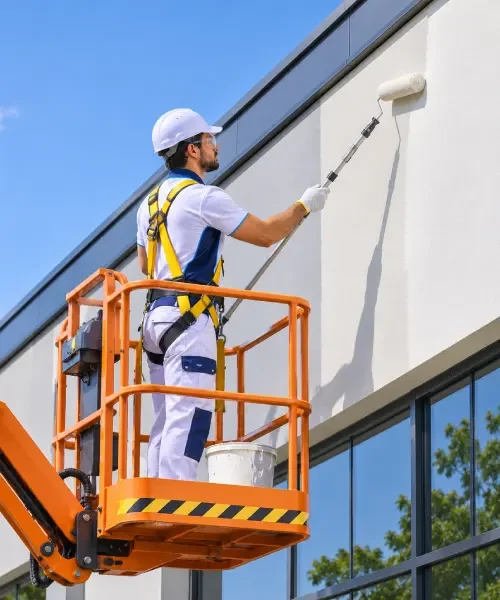
High-access painting covers elevated building surfaces that cannot be reached through ordinary ground-level access. It may involve upper external walls, tall structures and multi-storey areas where the position of the work creates additional access considerations.
Property owners, facility managers and businesses may need elevated painting when difficult-to-reach surfaces are weathered, discoloured or due for repainting. Surface condition, surrounding activity and building height all affect what a suitable job might involve.
From its Pakenham base, Pakenham Premier Painters can discuss suitable high-access painting enquiries across Melbourne. Details about the surfaces, approximate height and access restrictions help establish what needs further assessment before painting arrangements are considered.

Why Choose Us for High-Access Painting?
Painting an elevated surface involves more than choosing a colour. The location of the work and conditions below it may affect whether a proposed approach is practical. These considerations matter before anyone commits to a scope.
Pakenham Premier Painters encourages a description of what needs painting and what can be seen from accessible areas. This helps separate coating requirements from defects that may call for other assessment or repairs.
An initial discussion should identify unknowns rather than assume an access method will work. Property owners can then consider the work with a clearer understanding of its boundaries and site-specific questions.
High-Access Painting Questions
Understand the access, surface condition and site information that can influence an elevated painting enquiry before discussing arrangements.
What Counts as High-Access Painting?
High-access painting concerns surfaces whose position or height makes ordinary access unsuitable. Examples can include upper façades, elevated walls and multi-storey sections. The relevant question is not simply how tall a building is, but whether the painting area can be accessed appropriately after its surroundings and condition are assessed.
Can You Paint Multi-Storey Buildings?
Multi-storey painting is part of the planned service scope for Pakenham Premier Painters, but suitability depends on the individual property. The height, surfaces, available access and surrounding operations must be considered before any work or method can be confirmed. An enquiry with basic property details can help establish what requires assessment.
How Is Elevated Painting Access Determined?
The appropriate access arrangement depends on the height and position of the surface, ground conditions, building features and activities nearby. High-access painting should not be assigned an access method based on photographs alone. Any proposed method and relevant safety requirements need assessment by appropriately competent people before work proceeds.
Is Scaffolding Always Required for Painting?
Not every elevated painting job has the same access requirements, and scaffolding should not be assumed necessary or unnecessary without a site-specific assessment. Other methods may exist, but their suitability and availability cannot be promised in advance. The chosen approach must match the actual conditions and applicable requirements.
What Affects a High-Access Painting Quote?
A high-access painting quotation can depend on the surfaces involved, their condition, the height and layout of the work area, site restrictions and preparation needs. Access arrangements may also affect the scope. Providing useful details upfront can support a more relevant discussion, although no price or completion timeframe can be assumed before assessment.
What Details Should I Send First?
For an elevated painting enquiry, describe the property type, location, approximate height and surfaces needing attention. Photos taken from an accessible position may help, along with information about nearby entrances, vehicle movements or restricted areas. There is no need to climb or enter an unsafe area to gather images or measurements.
Painting Elevated External Walls and Façades
Upper façades can include broad wall areas, narrow returns, projections and sections partly hidden by building features. High-access exterior painting needs to account for where each surface starts and ends, rather than treating every visible elevation as one uncomplicated area.
The existing finish also matters. Peeling, cracking, staining or uneven surfaces may affect what preparation is appropriate, while some apparent paint problems may need separate investigation. A clear description of the affected areas helps distinguish an elevated repaint from work outside an agreed painting scope.
Managing Painting Around Active Properties
On an occupied site, the space below an elevated painting area may be used by staff, visitors, residents or deliveries. Access routes and daily activity can therefore influence whether a particular section can be considered for work at a given time.
Property representatives can identify entrances, loading areas and periods of higher activity when outlining their requirements. These details help expose potential conflicts early, without promising that work can proceed during normal operations or that disruption can always be avoided.

Project Enquiries
Contact Us

Address
84 Greendale Blvd, Pakenham VIC 3810, Australia
Call Us
0430 433 100
Reasons to Discuss High-Access Painting With Us
Pakenham Premier Painters provides a local point of enquiry for elevated painting requirements, with project suitability and practical details considered before commitments.
- Discuss upper-level surfaces requiring painting attention.
- Identify building features that complicate access.
- Explain the visible condition of existing coatings.
- Raise questions about surrounding property activity early.
- Distinguish painting requirements from unrelated repair concerns.
- Share location details for realistic coverage discussions.
- Consider site constraints before agreeing on scope.


Contact Us
Discuss Your Elevated Painting Project
High-access painting planning should identify the elevated surfaces, approximate height, visible condition, site activity below and any known access or safety restrictions.
Assessing the Areas That Need Painting
The first practical question is exactly which surfaces require attention. For multi-storey painting, a useful description identifies the elevation, approximate level, visible defects and any parts obscured from normal view. A photo can support that description when taken without entering a hazardous area.
Information gathered at the enquiry stage is not a substitute for an appropriate site assessment. The condition of elevated surfaces and the feasibility of reaching them may remain uncertain until relevant site details and competent assessments are available.
Multi-Storey Painting for Property Managers and Owners
Owners and managers of multi-level premises may need painting considered for upper walls, elevated exterior features or sections that cannot be reached from an ordinary working position. Their decisions can involve several stakeholders, particularly when shared areas or daily property use are affected.
For a property manager, outlining who controls access, which areas are included and what approvals might be needed can reduce confusion during an enquiry. The suitability of the proposed work still depends on the property’s circumstances, rather than the building category alone.
Why Surface Condition Matters at Height
Elevated surfaces may show flaking, fading or changes in colour that are easy to notice but difficult to inspect closely. Before choosing a coating, the substrate and existing finish need to be understood as far as the site assessment allows.
Coating compatibility, preparation requirements and the possibility of underlying defects all affect the painting decision. Painting cannot be assumed to correct structural damage, ongoing moisture problems or unidentified hazardous materials. Those concerns may need separate qualified attention before a paint scope can be settled.
High-Access Painting Enquiries in Melbourne
Pakenham Premier Painters is based in Pakenham and targets suitable high-access painting projects in Melbourne. The distance to a property is only one part of deciding whether an elevated job falls within a workable service arrangement.
The actual location, access conditions and specialised requirements all need consideration. Customers searching for high-access painters in Melbourne can start by describing their property and painting needs, rather than assuming every suburb, building height or site arrangement is automatically covered.
Site Permissions and Shared Access Responsibilities
High-access work may affect spaces controlled by someone other than the person requesting the painting. Shared driveways, neighbouring areas, building management rules or site entry procedures can all influence what permissions or coordination may be required.
Before arrangements are finalised, the property representative should identify the relevant decision-makers and any known restrictions. Details like these can help avoid a scope based on access that is not actually available, but they do not replace any necessary safety or compliance assessment.
Choosing an Appropriate Elevated Painting Approach
An elevated wall does not automatically call for one particular painting method. The shape of the building, available working space, nearby obstructions and type of surface can change what is feasible. A solution that appears straightforward from the ground may be unsuitable when the site is properly assessed.
It is useful to ask how access feasibility will be determined, what areas can be included and whether another suitably qualified provider must be involved. No specific equipment ownership, rope-access capability or specialist accreditation should be assumed without confirmation for the proposed job.
When to Enquire About High-Level Repainting
Consider making an enquiry when you notice deterioration on elevated painted surfaces or when a planned property project includes areas beyond ordinary reach. Early discussion can help establish what information is missing before work can be evaluated, without promising an immediate start or particular outcome.
Explain where the surface is located, what has changed and whether any access or operational restrictions are already known. Pakenham Premier Painters can then consider the enquiry against the intended painting scope, geographical coverage and the requirements of the particular site.
What Affects High-Access Painting Requirements?
| Site Factor | Details to Check | Why It Matters |
|---|---|---|
| Painting Height | Building level and surface location | Helps establish the access requirements |
| Building Features | Balconies, projections and narrow spaces | May restrict access to painting areas |
| Ground Conditions | Slopes, obstructions and available working space | Influences feasible access arrangements |
| Property Activity | Entrances, deliveries and pedestrian movement | Identifies potential work-zone conflicts |
| Surface Condition | Peeling, cracking, staining or deterioration | Identifies preparation and inspection needs |
| Access Permissions | Shared spaces and property access restrictions | Clarifies necessary coordination and authorisations |
| Property Location | Suburb and type of property | Helps determine service-area suitability |
Six Checks Before High-Access Painting
Use these quick checks to prepare a clearer enquiry without assuming access methods, repairs or project suitability have already been confirmed.
-
Define the Painting Area
Identify the upper walls, façades or multi-storey sections you want considered, rather than treating the entire building as one painting area. A simple annotated photo may help.
-
Use Safe Photos
Photographs taken from normal, accessible positions may help explain the job. Include a wider building view where possible; never climb or enter restricted areas to capture details.
-
Separate Repairs From Painting
Moisture issues, structural damage and suspected hazardous materials need separate consideration. Mention these concerns clearly rather than assuming that surface preparation or repainting will resolve them.
-
Clarify Shared Permissions
If painting affects shared driveways, neighbouring areas or managed property spaces, identify who controls access and which approvals may be needed before arrangements can be finalised.
-
Avoid Equipment Assumptions
A tall wall does not automatically require scaffolding, rope access or another particular method. Suitable access arrangements and any specialist requirements must be assessed for the actual site.
-
Confirm Project Suitability
A Melbourne location does not automatically mean every building height, specialist task or site arrangement is covered. Describe the property and constraints so project suitability can be considered.