
Commercial Fit-Out Painting Pakenham
Commercial fit-out painting gives newly built or reconfigured business interiors their finished appearance. It covers specified walls, ceilings, partitions and other paintable surfaces once preceding building work reaches the appropriate stage.
Business owners, tenants, project managers and builders may need painting when preparing offices, shops and other commercial premises for first use. The appropriate finish depends on surface materials, the planned layout and the agreed specifications.
Pakenham Premier Painters is based in Pakenham, with commercial fit-out painting planned for suitable Melbourne projects. Sharing drawings, finish preferences and site requirements helps clarify what painting work needs assessment before a quotation is considered.

Why Choose Pakenham Premier Painters for Fit-Out Painting?
A commercial fit-out involves several connected activities, but painting needs its own clearly defined scope. Pakenham Premier Painters focuses on the painting requirements rather than presenting a full construction fit-out as one service.
Fresh partitions, newly finished walls and adjoining surfaces may need different preparation. Discussing their condition, access and protection requirements helps identify what should be considered before the painting work is priced.
Finish schedules and site instructions can also shape the proposed work. Sharing those details helps you assess the painting component alongside the broader fit-out without assuming a fixed method or completion time.
Commercial Fit-Out Painting Questions
Explore key questions about fit-out painting stages, surface preparation, site coordination, quotation details and finishing expectations in Melbourne.
When Should Fit-Out Painting Begin?
Commercial fit-out painting usually needs to follow the relevant building and surface-finishing work. The suitable stage depends on whether plaster, jointing, sanding and other nearby trades have reached the required condition. Confirm access and sequencing with the project manager before agreeing on painting dates; a fixed start cannot be assumed from the fit-out schedule alone.
Which New Surfaces Can Be Painted?
New commercial interiors may have plasterboard walls, ceilings, partitions and other specified paintable surfaces. Whether a particular surface belongs in the fit-out painting scope depends on its condition, material, finish requirement and accessibility. Provide plans or a surface list so inclusions and exclusions can be discussed rather than assuming every fitted element requires paint.
Who Coordinates Access Between Fit-Out Trades?
The builder, project manager, tenant or other authorised site contact may coordinate trade access. For commercial fit-out painting, identify who can approve work areas, provide site instructions and confirm when surfaces are ready. Access arrangements, protection of adjoining work and restrictions should be established before the proposed painting scope is agreed.
What Helps With a Fit-Out Painting Quote?
Drawings, a room or surface schedule, finish preferences and photographs can help explain the proposed commercial fit-out painting work. Also share the site address, access considerations and any required handover sequence. These details support a more specific discussion of scope; an accurate quotation still depends on the actual surfaces and project requirements.
How Should Touch-Ups and Changes Be Addressed?
Identify the expected finish, inspection arrangements and any touch-up requirements before accepting a fit-out painting quotation. If another trade damages a finished surface or a design changes, the resulting work may need to be assessed as a variation. Agreeing who raises concerns and authorises changes helps avoid confusion at handover.
Does Fit-Out Painting Include Building Works?
Commercial fit-out painting concerns the finishing of specified paintable surfaces, not the construction of an entire commercial interior. Building partitions, installing plasterboard, fitting services and other construction tasks should not be assumed to be included. Ask for the painting inclusions and any connected work to be identified separately before choosing the appropriate service scope.
Reading Fit-Out Drawings and Finish Schedules
Plans and finish schedules help distinguish which new walls, ceilings and partitions need painting. They may specify colours, finish types, areas to be left unpainted and surfaces requiring a different treatment. Providing the latest available documents can reduce uncertainty about what the painting enquiry actually covers.
A commercial interior painting specification is also a useful place to identify changes between rooms or tenancy zones. If drawings are incomplete or finishes have not been selected, list those decisions openly. They should be clarified before a firm painting scope is agreed, rather than filled in with assumptions.
Preparing New Plaster and Altered Surfaces
Fresh plasterboard and newly finished jointing need to be assessed before painting. Surface dryness, dust, sanding marks and the suitability of any existing preparation can affect the proposed coating approach. Painting before a surface is ready may create avoidable finish problems, so readiness is a practical question to raise with the fit-out team.
Commercial fit-out wall preparation is not automatically the same as installing or repairing plasterboard. Separate any outstanding construction defects, substantial repairs or unfinished joins from the painting scope. Identifying who will address those items makes the sequence easier to understand and helps avoid pricing work against an unfinished surface.

Project Enquiries
Contact Us

Address
84 Greendale Blvd, Pakenham VIC 3810, Australia
Call Us
0430 433 100
Reasons to Consider Pakenham Premier Painters
For new commercial interiors, a useful painting enquiry starts with clear boundaries, realistic site information and finish requirements suited to the proposed work.
- Attention to new commercial interior painting requirements
- Clear distinction between painting and construction tasks
- Space to discuss specified finishes and colours
- Consideration of new plaster and surface readiness
- Practical questions about site access and sequencing
- Focus on defining included and excluded surfaces
- Pakenham location for suitable Melbourne project enquiries


Contact Us
Discuss Your Fit-Out Painting
For commercial fit-out painting, identify the new or reconfigured areas, current surface-readiness stage, finish schedule, drawings and coordination requirements with other trades.
Coordinating Painting With Other Fit-Out Trades
Fit-out painting needs to be considered alongside the work that happens before and after it. Plaster finishing, fixture installation and adjoining trades may affect when surfaces are accessible or need protecting. The site programme should identify dependencies instead of treating painting as an isolated task.
Before painting is scheduled, clarify who will confirm work-area readiness and which finished elements need protection. Commercial fit-out trade coordination also benefits from an agreed point of contact for site changes. Specific access arrangements and timing should be established for the individual project, rather than assumed in advance.
Painting for Newly Fitted Business Premises
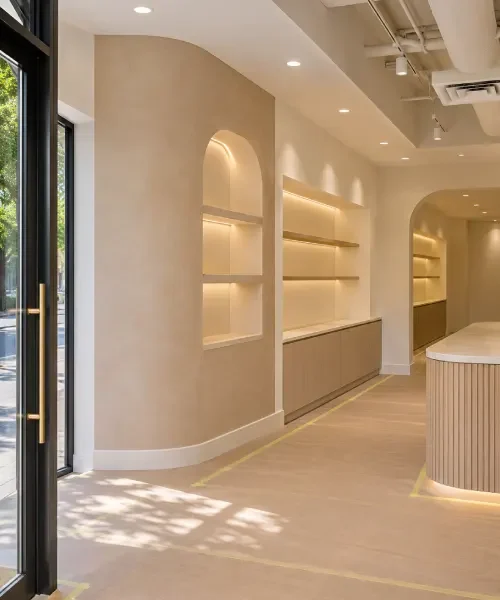
A new office tenancy, retail interior or other commercial space may need painting after partitions and interior surfaces have been installed. Owners, incoming occupiers and fit-out managers can use the painting scope to define the areas that need a consistent finish before the premises are used.
Commercial fit-out painting is distinct from repainting an established workplace for routine maintenance. The emphasis is on finishing new or reconfigured surfaces as part of a wider fit-out. If existing areas also need repainting, describe those separately so the initial fit-out requirements remain clear.
Choosing Finishes for Different Interior Areas
A proposed fit-out may include public-facing walls, internal rooms, ceilings and high-contact surfaces. The finish selection should reflect the purpose of each area, the substrate and the project specification. Colour, sheen and maintenance expectations are worth discussing before settling on an overall commercial interior painting scope.
Not every surface needs the same appearance or coating approach. For example, a visible feature area may have a different design requirement from a back-of-house wall, even within the same premises. Confirm those distinctions in the finish schedule rather than relying on a broad instruction to paint everything alike.
Commercial Fit-Out Painting Around Pakenham and Melbourne
Pakenham Premier Painters is based in Pakenham and has identified Melbourne as its intended commercial service market. For commercial fit-out painting enquiries, share the exact property location so travel requirements and project suitability can be considered rather than assuming every suburb or site is covered.
A fit-out in a commercial tenancy may also involve building access rules, delivery restrictions or management permissions. Those requirements are specific to the site, not simply the suburb. Include any known access information when describing a Melbourne fit-out painting project, especially where building management controls entry or work areas.
Checking Painted Finishes Before Handover
Final review is easier when the expected painted surfaces and appearance have been defined at the outset. Before the premises are handed over, the authorised project contact may need to inspect the finish against the agreed painting scope and note any concerns requiring assessment.
Touch-ups should not be treated as an unlimited or automatically included part of commercial fit-out painting. Clarify the review process, responsibility for damage caused after painting and how additional requests will be recorded. That gives everyone a clearer basis for discussing finishing issues without making promises about unagreed work.
Understanding Fit-Out Painting Inclusions and Exclusions
When comparing a commercial fit-out painting quotation, look beyond the overall amount and check the actual areas and preparation allowed for. The scope should distinguish walls, ceilings, trims or other selected surfaces, and identify any assumptions about their condition when the work begins.
Ask whether protection, finish selection, inaccessible areas, repairs and follow-up work have been addressed in the proposed scope. Some items may need separate assessment or may belong to another trade. A clear breakdown helps avoid confusing painting for a new tenancy with the much broader cost of fitting out the premises.
Preparing Your Commercial Fit-Out Painting Enquiry
If you are planning a new commercial fit-out, start by outlining the property type, location and areas requiring paint. Include available drawings, finish selections, photographs and any relevant stage of the building programme. If something is still undecided, identify it rather than guessing.
Pakenham Premier Painters can be considered for the painting component of suitable projects in Melbourne. An enquiry that explains surface condition, access arrangements and outstanding decisions gives a practical starting point for determining whether the proposed work is within scope and what information is still needed.
Fit-Out Painting: What to Confirm Before Quoting
| Project Detail | Information to Share | Decision to Confirm |
|---|---|---|
| Painting Areas | Current drawings showing walls, ceilings and partitions | Which surfaces are included or excluded? |
| New Plaster | Surface condition and photographs, if available | Who addresses unfinished joints or defects? |
| Paint Finishes | Colour and finish selections for each area | Which selections still need agreement? |
| Trade Sequencing | Proposed programme and preceding work stages | Who confirms surfaces are ready for painting? |
| Site Access | Property location, access instructions and site contact | What permissions or protection arrangements are needed? |
| Scope Boundaries | Requested preparation, trim painting and other inclusions | Which tasks belong to other trades? |
| Handover Review | Expected finish requirements and inspection contact | How will touch-ups and changes be agreed? |
Six Checks Before Fit-Out Painting
Keep these practical points in mind when defining the painting work within your wider commercial fit-out.
Confirm Drawing Revisions
Check that the latest drawings and finish schedule are being used. If layouts, colours or surface requirements have changed, identify the updated version before discussing the painting scope.
Mark No-Paint Areas
Identify fitted elements and surfaces intended to remain unpainted. A general instruction to paint the premises should not be mistaken for approval to coat every surface.
Separate Existing Repaints
If the fit-out includes new partitions alongside existing rooms, identify any established surfaces needing repainting separately. This keeps the new fit-out painting requirements clear.
Plan Surface Protection
Consider newly installed fixtures, adjoining finishes and other completed work that may need protection during painting. Raise these details when discussing access and the proposed scope.
Assign Variation Approval
Identify who can authorise changes if drawings, finishes or painting requirements are revised. Additional work should be assessed separately rather than assumed to be included automatically.
Define Handover Checks
Use the agreed painting scope and finish requirements when reviewing completed areas. Record concerns and clarify responsibility for damage or additional touch-ups before requesting further work.