
Render Painting Pakenham
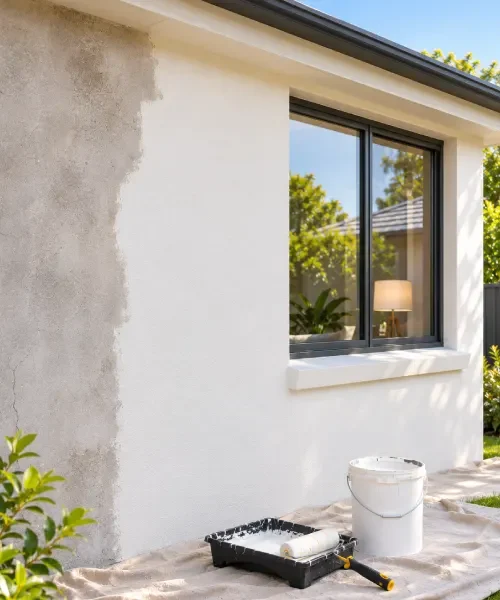
Render painting refreshes exterior walls finished with render, whether they have an existing paint coating or a suitable unpainted surface. The wall’s condition matters just as much as the colour, because not every rendered surface is ready for another coat.
Homeowners, landlords and property managers may consider repainting when rendered walls look faded, uneven or worn. Peeling coatings, hairline cracks and damp patches deserve closer attention before decisions are made about preparation and finishes.
Pakenham Premier Painters is based in Pakenham and plans render painting for suitable Melbourne properties. When enquiring, it helps to describe the walls, their current condition and any access concerns.

Why Choose Us for Render Painting
Painting over render requires decisions that a colour change can overlook. Pakenham Premier Painters keeps the focus on understanding the surface, whether it is newly rendered, previously coated or showing signs of wear.
A useful discussion also separates cosmetic concerns from conditions that may need further investigation. Loose render, persistent moisture or significant cracking should not be hidden beneath fresh paint or treated as ordinary surface preparation.
For customers considering rendered wall painting, we encourage clear information about wall condition, access and the finish they want. That creates a more useful starting point for deciding what work is appropriate.
Common Render Painting Questions
Find out when rendered walls can be repainted, what affects preparation, and which details matter before enquiring locally.
Can Existing Render Be Repainted?
Yes, sound existing render can often be repainted, including walls with an older coating. Suitability depends on adhesion, cleanliness, surface stability and whether moisture is present. Peeling or powdery areas may need preparation or further attention before render repainting is appropriate.
Should Cracks Be Fixed Before Painting?
Cracks should be assessed before painting rendered walls. Some small, stable surface cracks may be suitable for coating-system preparation, while widening, recurring or significant cracks may indicate a problem beyond painting. A fresh finish should not be relied upon to correct structural movement or underlying damage.
When Can Newly Applied Render Be Painted?
Fresh render needs adequate curing and drying before a compatible coating is applied. The appropriate period depends on the render material, conditions and selected paint system. If you are planning new render painting, provide the installation date and product details rather than assuming it is ready immediately.
Can Painting Stop Moisture Coming Through Render?
Render painting should not be treated as a remedy for an unidentified moisture problem. Dampness, staining or bubbling may point to water entering or remaining behind the coating. The source needs consideration before a finish is selected; ordinary decorative repainting is not the same as specialist waterproofing.
What Affects Render Painting Costs?
A render painting quote can depend on the wall area, height, access, texture, condition and existing coating. Cleaning, loose paint, crack treatment and coating suitability may also affect the proposed scope. Share clear photos and explain known problems to help make the enquiry more specific.
Does Render Texture Change Paint Selection?
Yes. Rough or heavily textured render has different coverage and appearance considerations from smoother finishes. The texture, porosity and existing coating influence preparation and product suitability. When comparing render paint finishes, ask how the proposed coating will interact with the surface rather than selecting on colour alone.
Repainting Previously Painted Render
An older coat can look faded without being unsuitable for repainting. The important distinction is whether the paint remains firmly attached and the underlying render is sound. Flaking, chalking or blistering can change the preparation required, and simply covering them may leave the original problem unresolved.
If you are considering exterior render repainting, describe any loose patches, previous colour changes or areas where paint has lifted. Existing coatings do not all behave alike, so the next finish needs to be considered alongside the old paint and the condition of the wall beneath it.
Hairline Cracks in Rendered Walls
Fine lines in render can affect both appearance and the choice of preparation. What matters is not only how visible a crack is, but whether it is stable, widening, recurring or associated with loose material. A surface coating should not be assumed to solve movement within the wall.
Before arranging paint over cracked render, identify where the marks occur and whether they have changed. A painting enquiry can cover cosmetic finishing requirements, while significant cracking or suspected structural defects may need assessment by a suitably qualified professional before any decorative work proceeds.

Project Enquiries
Contact Us

Address
84 Greendale Blvd, Pakenham VIC 3810, Australia
Call Us
0430 433 100
Why Trust Pakenham Premier Painters for Render Painting?
Clear discussions about wall condition, suitable finishes and the limits of painting can help property owners plan render work sensibly.
- Focus on suitability before choosing exterior coatings.
- Distinguish surface cracks from deeper underlying concerns.
- Consider how existing paint affects fresh application.
- Recognise moisture issues before covering visible symptoms.
- Discuss textured finishes with their appearance implications.
- Account for access around rendered exterior walls.
- Keep proposed work specific to rendered surfaces.


Contact Us
Enquire About Render Painting
For render painting, assess whether the surface is sound, dry and firmly bonded, and note any cracks, loose areas, previous coatings or moisture concerns.
Preparing Rendered Walls for Painting
Preparation depends on the condition of the render and any coating already on it. Dirt, loose material and failing paint can interfere with how another finish bonds. Cleaning, attention to unstable areas and decisions about suitable primers may all need consideration before painting starts.
It is useful to identify windows, adjoining surfaces and access restrictions that could affect the work area. The exact preparation and application steps should follow the wall’s condition and the chosen coating system, rather than a single method assumed to suit every rendered property.
New Render and Older Render Have Different Needs
Freshly rendered walls bring a different set of questions from older surfaces. New render must be sufficiently cured and dry for the intended paint system; its composition and texture also matter. Painting too early may affect the finish, so readiness should be established rather than guessed from appearance alone.
Established render may have layers of paint, repairs or weathering that are not obvious at first glance. Anyone arranging painting for rendered house walls can help define the work by identifying when the render was installed, whether it has been painted before and any changes noticed over time.
Choosing Colours and Finishes for Render
Colour selection affects more than the impression made by a freshly painted façade. Light conditions, surrounding materials and the wall’s texture can make a shade look different outdoors than it does on a small chart. Existing surface irregularities may also become more visible with some finishes.
When choosing paint colours for rendered walls, consider a suitable sample on the actual surface and look at it at different times of day. The appropriate sheen and coating type must also suit the substrate. A pleasing colour is only one part of a considered render painting decision.
Render Painting in Pakenham and Melbourne
Pakenham Premier Painters is based in Pakenham, with render painting planned for suitable properties in the Melbourne service market. Whether your property is nearby or elsewhere in the area, suitability depends on the actual location, the wall condition and the practical requirements of the job.
Exterior rendered surfaces face weather exposure, so conditions such as rain, dampness and drying time matter when planning coatings. If you are searching for render painting in Melbourne, include your suburb and describe which exterior walls need attention so coverage and the proposed scope can be discussed accurately.
Understanding Moisture and Stains on Render
Dark marks, bubbling paint or recurring discolouration on a rendered wall deserve attention before repainting. They may have several causes, and a cosmetic coating will not necessarily remove the reason they appear. Moisture behind a finish can also affect the suitability of another paint system.
Take note of where staining occurs, whether it follows rain and whether the surface feels persistently damp. For rendered exterior wall painting, those observations help distinguish an appearance problem from an issue that may need investigation or separate remedial work before a new finish is considered.
Smooth and Textured Render Painting Options
Smooth render and coarse textured render do not necessarily produce the same visual effect when painted. Texture affects how light falls across the wall, how imperfections appear and how much detail needs consideration around edges and joins. The selected coating must be compatible with the actual surface.
If the current render has a distinctive pattern, explain whether you want to keep that appearance or are expecting a different finish. Painting generally changes colour rather than rebuilding surface texture. Significant texture changes or defective render may require separately scoped work, not simply additional coats of paint.
What to Include in a Render Painting Enquiry
A useful enquiry identifies the property location, approximate wall area, whether the render is new or previously painted, and any visible cracks, peeling or damp patches. Mention difficult access, adjoining surfaces and the colour or finish you have in mind. Photos can help communicate what you are seeing.
Those details make it easier to discuss the suitability and scope of render painting before a quotation is considered. If the wall has substantial movement, loose render or unresolved moisture, explain that at the outset. The right next step may be further investigation rather than immediate repainting.
Is Your Render Ready for Painting?
| Render Condition | Painting Suitability | What to Check |
|---|---|---|
| Sound, previously painted render | Repainting may be suitable | Existing coating adhesion and surface cleanliness |
| Flaking or powdery paint | Preparation needed first | Loose coatings and appropriate primer selection |
| Fine, stable surface cracks | Depends on crack condition | Whether suitable crack treatment is needed |
| Recurring or widening cracks | Do not simply paint over | Cause of movement and need for specialist assessment |
| Damp patches or blistering | Painting may be unsuitable | Moisture source before selecting a coating |
| Loose or crumbling render | Not ready for repainting | Stability and necessary remedial work |
| Freshly applied render | Curing and drying required | Render manufacturer’s guidance and coating compatibility |
| Sound, heavily textured render | Painting may be suitable | Paint coverage and desired finished appearance |
Before You Enquire About Render Painting
A few useful details can help clarify your rendered walls, the finish you want and any practical considerations before discussing the work.
Show the Whole Wall
Include a wide photo of each wall you want painted, then close-ups of worn or repaired areas. A single distant image may hide important surface details.
Share Previous Paint Details
Mention whether the render has been painted before, when it was last recoated if known, and any areas repaired since. You do not need to guess missing information.
Record Changes After Rain
If stains or dark patches appear after wet weather, note where and when. These observations are worth sharing before considering an ordinary decorative repaint.
Clarify Texture Expectations
Explain whether you want the existing render pattern retained. A new paint colour will not normally smooth uneven texture or replace damaged sections of render.
Check Colours Outdoors
View a suitable colour sample against nearby windows, trims and other finishes in different daylight. Texture and surrounding surfaces can change how the colour appears.
Explain Access Restrictions
Describe wall height, nearby fences, obstacles and adjoining surfaces that need consideration. These details help clarify the practical requirements when discussing the proposed painting work.