
Choosing Paint Sheens for Busy Melbourne Homes
The same shade of white can look beautifully soft in one room and surprisingly shiny in another—often because of the finish rather than the colour. For homeowners in Pakenham and across Melbourne, choosing a paint sheen that suits daily life can be just as important as finding the right shade.
What Does Paint Sheen Actually Mean?
Sheen describes how light reflects off a painted surface. A flatter finish spreads reflected light more evenly, creating a softer appearance. A glossier finish produces stronger reflections, particularly near windows and downlights.
Sheen also influences how noticeable marks and surface imperfections become, how the finish looks after cleaning and how the room feels under different lighting conditions.
However, higher shine does not automatically mean better paint. The product’s formulation and intended use are just as important.
The useful question is not simply which sheen looks best, but which finish will suit the surface and how you use the space.
Five Common Paint Finishes Explained
Flat: A Soft Look for Ceilings
Flat paint has very little shine. It helps reduce glare and makes minor surface unevenness less noticeable, which is why it is commonly selected for ceilings.
Standard flat products are generally less suitable for walls that need frequent wiping or cleaning.
Matt: Gentle on the Eyes
Matt finishes create a subdued appearance that works beautifully in bedrooms and quieter living spaces.
They can help disguise minor surface variation, although cleaning performance differs between products. A premium washable matt may suit more active rooms than a basic matt formulation.
Low Sheen: A Flexible Everyday Choice
Low sheen provides subtle reflection without the stronger shine of gloss. It is a popular option for living areas because it balances appearance and practical cleaning.
For households comparing washable wall paint finishes, low sheen is a sensible starting point rather than an automatic answer.
Semi-Gloss: Practical for Frequently Handled Surfaces
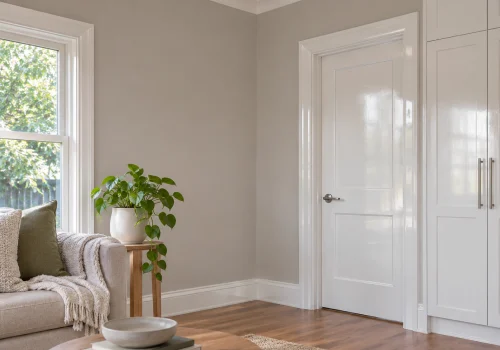
Semi-gloss reflects more light and is commonly selected for doors, skirting boards, frames and other trim.
Some wall products also use this finish where frequent cleaning is important. However, increased reflectivity can make uneven patches and application marks more noticeable.
Gloss: A Distinctive Design Detail
Gloss creates a strong reflective appearance, particularly on timber joinery, doors and selected architectural details.
It can make decorative features stand out, but careful preparation matters. Dents, ridges and other small surface imperfections become more visible when light reflects strongly off them.
Match the Finish to Your Everyday Lifestyle
Living Rooms and Busy Hallways
Think about what regularly comes into contact with your walls.
A formal lounge has different needs from a busy hallway where schoolbags, furniture and hands frequently touch the surfaces.
Low sheen is often a practical compromise. Where scuffs are common, compare products specifically formulated for stain and scuff resistance.
The manufacturer’s cleaning and durability information is more useful than relying on the sheen label alone.
Bedrooms and Ceilings
A relaxed bedroom may benefit from matt walls, especially if you prefer a soft appearance under bedside lamps.
For children’s bedrooms, consider how frequently marks may need cleaning before committing to a particular product.
Ceilings receive less physical contact than most walls. Flat ceiling paint is generally a sensible choice because reduced glare helps minimise the appearance of minor variations across broad surfaces.
Kitchens, Bathrooms and Laundries
These spaces deserve more consideration than simply choosing the shiniest finish.
Kitchen walls may experience splashes and regular wiping, while bathrooms and laundries can experience condensation.
Choose a coating specifically suitable for the room, checking its manufacturer’s guidance on humidity, ventilation and cleaning.
Some washable matt and low-sheen products are formulated for these conditions, so semi-gloss is not the only suitable option.
Remember that paint cannot replace proper ventilation or repairs to persistent moisture problems.
Doors, Frames and Skirting Boards
These surfaces experience frequent contact and occasional knocks.
A suitable enamel in semi-gloss or gloss may be easier to maintain than ordinary wall paint. If you prefer less shine, investigate lower-sheen trim products that offer appropriate durability.
Let Melbourne’s Natural Light Guide Your Choice
A finish that looks understated in a dimly lit room can appear considerably shinier beside a large window.
In Melbourne homes, changing daylight, downlights and evening lamps can reveal different qualities in the same painted surface.
Before making a final decision, inspect a realistic painted sample in the intended room.
Look at it during morning and afternoon daylight, then again under the lights you normally use at night.
Compare both the colour and the finish under similar conditions.
Avoid relying exclusively on phone screens or tiny colour chips. Actual samples provide a more realistic impression of how the finished surface may appear.
What Makes Painted Walls Easier to Clean?
Washability depends on several factors, including the paint formulation, surface preparation, curing and recommended cleaning method.
It does not depend entirely on whether the label says matt, low sheen or gloss.
A newly painted wall may feel dry long before it has developed its full cleaning durability. Follow the manufacturer’s curing instructions before attempting to wash fresh paint.
Once cleaning is appropriate, begin gently with the recommended cloth or sponge and suitable mild cleaning product.
For areas experiencing frequent contact, look for product information about stain resistance, scuff resistance and cleaning performance.
Keeping a record of the colour, manufacturer, product and sheen can also make future maintenance easier.
Four Questions to Ask Before Choosing
Before finalising your finish, consider these practical questions:
- How often will this surface be touched or cleaned? A hallway and guest bedroom rarely need identical finishes.
- How much direct or angled light reaches the surface? Strong reflections can emphasise unevenness.
- What condition is the existing surface in? Small defects can become more noticeable under glossier coatings.
- Is the product suitable for the room and surface? Check the manufacturer’s technical information, especially for damp or high-use spaces.
You do not need to use one sheen throughout the entire house.
Selecting different finishes for ceilings, main walls and trim can help create a visually consistent home while meeting different practical requirements.
Make Your Paint Finish Choice With Confidence
The best finish should look appealing when the room is quiet and remain practical when everyday life gets busy.
Start with your surface conditions, lighting and maintenance requirements. Then compare suitable products and sheen levels rather than making a decision based on appearance alone.
If you are planning improvements to a home in Pakenham or the wider Melbourne area, Pakenham Premier Painters is a local business preparing to serve suitable painting projects.
When enquiries become available, share your preferred colours, room requirements and sample choices to begin a clear conversation about the finishes that could work for your home.